
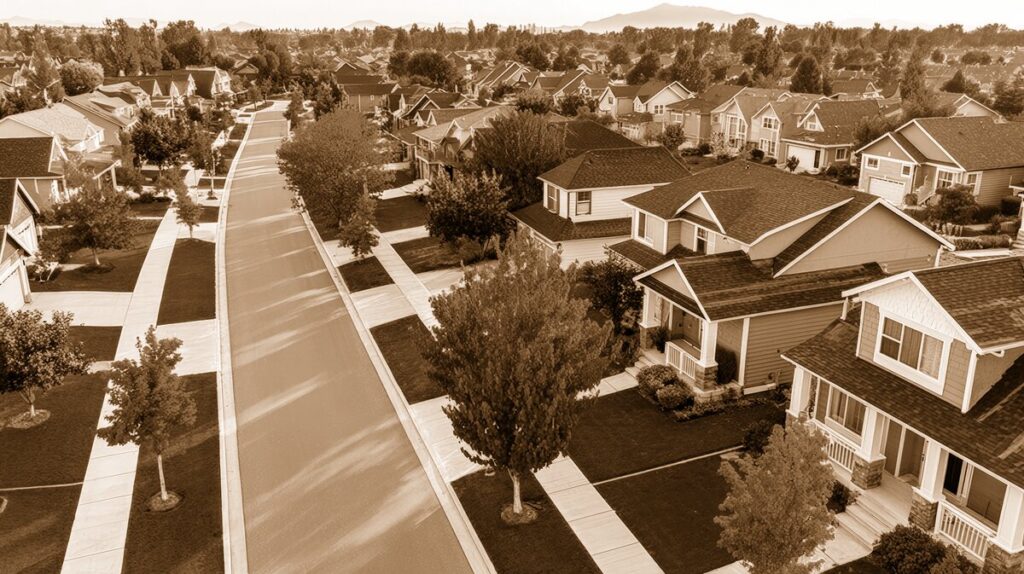
Saratoga Springs is a city defined by its vibrant neighborhoods, each with its own unique charm, history, and heartbeat. Among them, the West Side stands out as a place where roots run deep and every street holds a story. From its 19th-century beginnings to its contemporary renaissance, the West Side neighborhood has played a pivotal role in shaping Saratoga’s identity—offering residents and visitors alike a living tapestry of history and community spirit.
Origins: How the West Side Got Its Name
The name “West Side” is deceptively simple but speaks volumes about the neighborhood’s place in Saratoga Springs’ early development. In the mid-1800s, as the city began to flourish as a destination for health, recreation, and nightlife, Saratoga naturally divided into informal districts. The area west of Broadway—the city’s main thoroughfare—became home to workers, craftsmen, and immigrants seeking opportunity. As Saratoga’s society buzzed with visitors and Gilded Age elites along Broadway and in the famed East Side residences, the West Side grew as the city’s working-class backbone.
This geographical distinction quickly became more than just directional, evolving into a label of pride. Families passed down West Side addresses for generations, and landmarks like Grand Avenue and Beekman Street formed the neighborhood’s beating heart. Even today, when locals speak of “The West Side,” they summon a sense of home, history, and heritage distinct from any map.
Key Historical Milestones
The West Side’s history mirrors the broader story of American cities: immigration, entrepreneurship, and resilience.
- The Arrival of the Railroad (1830s-1840s): The neighborhood began to take shape in earnest with the arrival of the railroad, which ran parallel to Grand Avenue. As transportation boomed, workers flocked to the area, leading to the construction of modest homes and boarding houses—a contrast to the grand hotels downtown.
- Immigrant Waves: In the following decades, Irish, Italian, and Polish families settled along streets like Division, West Circular, and Beekman. Their legacy endures today in institutions like the Church of St. Peter on Broadway and the former St. Peter's Academy on West Circular Street.
- Beekman Street: The “Arts District”: In the 19th and early 20th centuries, Beekman Street was home to blacksmiths, tailors, and saloons, serving as a lively commercial center for locals. Today, it thrives as the Beekman Street Arts District, bustling with galleries, cafes, and boutiques—each occupying lovingly restored historic buildings.
Notable Landmarks and Buildings
Every stroll down the West Side’s leafy blocks reveals remnants of its storied past.
- Franklin Square: This historic park, just west of Broadway, marks the boundary between downtown and the West Side. Majestic Victorian homes surround the park, many with original woodwork and stained glass.
- Geyser Crest Elementary School: While not as old as some city center institutions, the school on Geyser Road reflects the postwar expansion that brought families to the area in the 1950s and 60s.
- Old Saratoga Springs Train Station: Standing at the edge of the neighborhood, the old station on West Avenue is a reminder of the era when train travel shaped Saratoga’s growth.
- McGregor Links Country Club: Just beyond the traditional West Side boundary, this club (opened in 1921) offered West Side residents a place to work, socialize, and connect.
Parks, Streets, and Institutions
The West Side’s character thrives not just in its buildings but its green spaces, schools, and social institutions.
- West Side Recreation Park: This beloved neighborhood park on Walnut Street has long been the center of West Side life—hosting baseball games, ice skating in winter, and summer picnics.
- Division Street Elementary: Many Saratogians have fond memories of walking to this neighborhood school, a testament to the lasting sense of community here.
- Beekman Street Arts District: Once the home of workshops and saloons, the district today offers art galleries, music spaces, and cozy restaurants that keep the neighborhood’s entrepreneurial legacy alive.
Evolution Over the Decades
From its early days as a refuge for immigrants seeking the American dream, the West Side has evolved, weathering change while maintaining its unique identity.
- Postwar Growth: The 1950s and 60s saw new development as Saratoga’s population grew, with West Side families moving into fresh subdivisions and established areas alike.
- Revitalization in the 1990s-2000s: As Saratoga Springs experienced a cultural and economic revival, the West Side’s historic homes and commercial blocks drew new residents and businesses. Grassroots efforts helped preserve the district’s architectural integrity and fostered the rebirth of Beekman Street as a creative hub.
- Modern Community: Today, the West Side is a diverse blend of old and new—multi-generational families, artists, young professionals, and retirees coexisting in an atmosphere that is at once vibrant and welcoming. Its local markets, friendly sidewalks, and heritage homes continue to attract those seeking community with character.
The West Side Spirit: Past, Present, and Future
What makes the West Side truly special is its enduring spirit—a blend of neighborliness, hard work, and pride in heritage. Whether you’re sipping coffee at a Beekman Street café, chatting with longtime residents on Grand Avenue, or chasing fireflies in West Side Rec Park, you’re part of a living history.
As Saratoga Springs continues to change, the West Side remains a cherished counterpart to the city’s polished main streets and tourist haunts. It’s a neighborhood where history is not simply preserved—it’s lived every day. And for those who call it home, that is its greatest legacy.